

AVAILABLE 24/7
California runs a no-fault system: benefits are owed whether or not anyone was to blame for your workplace injury.
When the insurer delays, underpays or denies, a Palm Springs workers compensation attorney can force the issue.


The valley runs on hospitality, construction and healthcare. Each industry breaks bodies in its own way, and each requires different proof. We build cases around the work you actually did.
Looking for the best workers compensation attorney Palm Springs has to offer? Our trial-ready track record and no-fee-unless-we-win promise are why injured workers across the Coachella Valley call us first.
Insurers staff their claims departments with people trained to pay less. A workers comp attorney removes that imbalance.
A workers compensation attorney Palm Springs employees turn to handles three things the insurer would rather you handle alone.
We collect incident reports, maintenance logs, witness accounts and site photographs before evidence disappears. This groundwork also reveals outside parties – a defective machine, a careless subcontractor – who may owe you more than the compensation system allows.
The DWC-1 form and the Application for Adjudication follow strict rules, and small errors cost months. Once we appear, the insurance adjuster deals with us. No recorded statements, no casual questions about your weekend, no broad medical releases sent to your phone.
A denial letter starts the appeals process rather than ending your case. We petition the Workers’ Compensation Appeals Board, arrange medical evaluations and try the matter when settlement talks stall. A denied claim often becomes an accepted one once the evidence is properly assembled.
Doctor visits, surgery, therapy, prescriptions, devices and travel mileage – all covered, with no deductible or copayment. Disputes usually begin at utilization review.
Wage replacement of roughly two-thirds of average weekly earnings while you cannot work, generally up to 104 weeks within five years. Severe injuries can extend this to 240 weeks.
Once your condition stabilizes, a physician assigns a rating. That percentage, combined with age, occupation and earnings, sets the payment. Low ratings are common and worth challenging.
If no suitable modified work is offered, a voucher funds retraining – often the only route back to work after two decades of physical labor.
Dependents receive burial costs and ongoing payments calculated by the number of people who relied on the deceased.
Notice is due within thirty days. With cumulative trauma the clock starts when you connect the pain to the job. Waiting to see whether it improves hands the insurer an argument.
Employers contest whether the accident occurred on duty. Insurers blame a prior condition. Both positions can be answered, but only with evidence someone bothered to gather.
A chart note that never links diagnosis to job duties is an open invitation to deny. Reports must address causation, restrictions and recovery.
The statute of limitations allows one year from the date of injury to file an Application for Adjudication. Other limits matter just as much:
Falls from roofs and scaffolding, trench collapses, electrical contact, struck-by injuries. A construction accident frequently means spinal damage or head trauma with years of treatment ahead.
Wet kitchen floors, cluttered storerooms, unlit corridors. A hospitality accident often produces torn ligaments or hip fractures that employers write off as clumsiness.
Unguarded moving parts and neglected maintenance cause crush injuries and amputations, usually with a manufacturer or service contractor in the background.
Drivers face collision risk on every shift, and another motorist is normally involved – which opens a second route to compensation.
You cannot sue your employer, but you can sue anyone else who contributed: equipment manufacturers, property owners, subcontractors, negligent drivers. This third-party claim runs in civil court alongside the compensation case.
Civil claims reach damages the compensation system ignores – pain and suffering, full lost earnings, loss of enjoyment of life. The compensation insurer will assert a lien against that recovery, and how the lien is handled decides what you keep.
Nothing upfront. Fees are contingent, typically nine to fifteen percent of benefits recovered, and a judge approves the amount. No recovery means no fee.
Consultations with a workers compensation attorney in Palm Springs are free and carry no obligation.






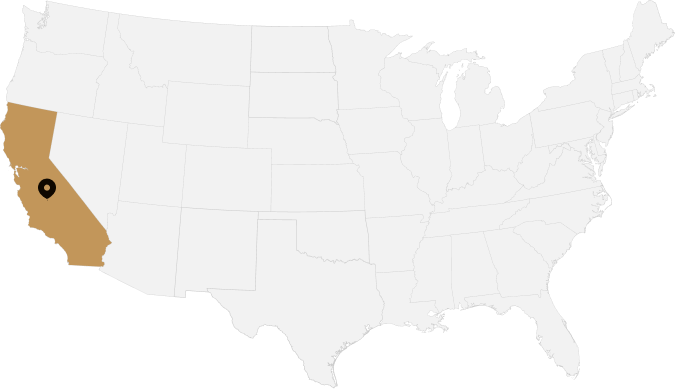
Desert Injury Law reps wrongful death across California: Coachella Valley, Inland Empire, LA, San Diego.
The Coachella Valley packs risky roads. I-10 claims lives too often, plus local crashes, sites, builds amp danger.
Loss anywhere in state? We’re there: probe, haggle, court if must. No family solo. Wrongful death lawyer in Palm Springs steps up statewide.
Alina Landver specializes in personal injury and wrongful death cases. Her practice is built on fairness and the belief that every victim deserves a real voice against big insurance companies.